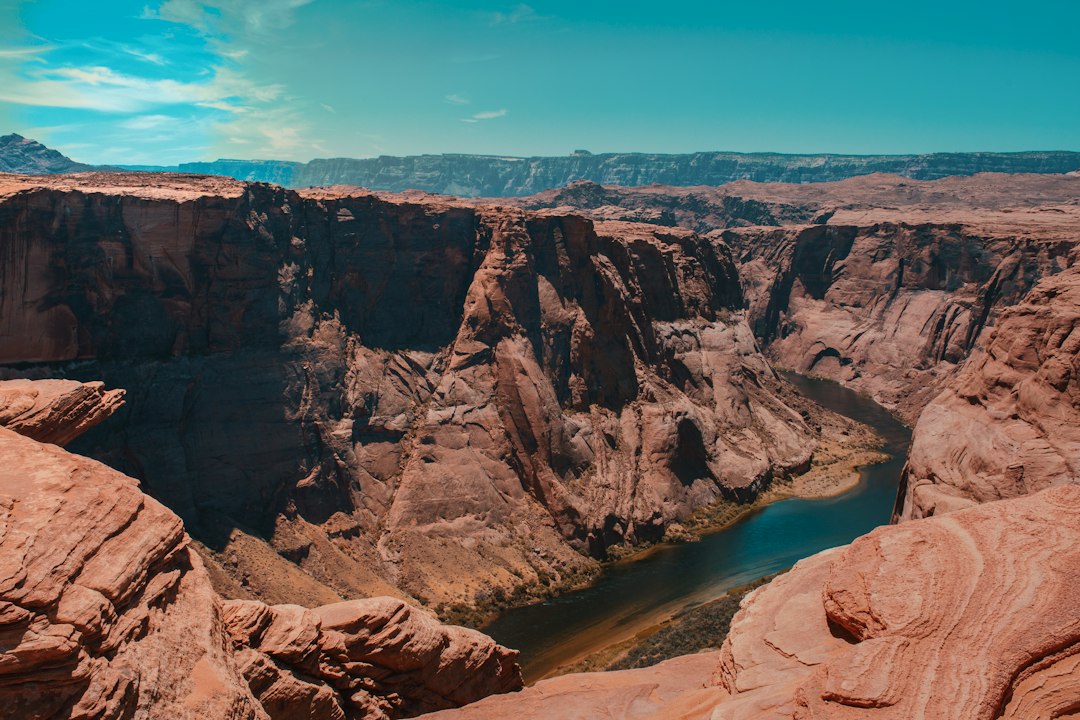
Everybody knows Scottsdale. Everybody knows Sedona. And that’s exactly why the returns are compressing.
The investors quietly outperforming the market in 2026 aren’t chasing the obvious plays. They’re buying in markets where demand is real, regulation is investor-friendly, and competition from other STR hosts is still thin. As of recent market data, the national average STR occupancy rate sits around 54–57%, but properties in these overlooked markets are hitting 68–74% — with average daily rates that would surprise you.
Here’s where the money is actually moving, and why Arizona owners in particular need to be paying attention.
The Problem With “Obvious” STR Markets
When a short-term rental market gets hot enough to land on a viral listicle, it’s usually already past peak for new investors. Saturated inventory drives down nightly rates. Local governments start eyeing permitting caps. The math that worked two years ago doesn’t pencil out anymore.
Sedona is the textbook example. It’s a stunning market — I’ve helped clients buy there — but permit caps and steep entry prices ($700K+ for anything decent) mean you’re fighting hard for a 4–5% gross yield if you’re lucky. The same capital deployed somewhere less obvious can generate 8–10% with lower volatility.
That’s the shift worth understanding in 2026.
Arizona’s Hidden STR Opportunities
Let’s start at home, because Arizona still has pockets that haven’t been picked clean.
Payson and the Rim Country
Payson sits about 90 minutes northeast of Phoenix, up in the Mogollon Rim country at roughly 5,000 feet elevation. For Phoenix metro residents baking through 115-degree summers, that altitude means everything. Demand runs nearly year-round: summer heat refugees, fall foliage seekers, winter cabin hunters, and spring wildflower crowds.
Entry prices are still accessible — single-family cabins in the $350K–$500K range are common, compared to Flagstaff where you’d pay $550K–$750K for comparable square footage. Short-term rental regulations in Rim Country communities remain relatively permissive, and the competition pool is thin enough that a well-presented property can dominate local search results within a few months.
Globe and the Salt River Canyon Corridor
This one surprises people. Globe is a working-class mining town that most Phoenix investors have written off entirely. But the Salt River Canyon — often called “Arizona’s Little Grand Canyon” — draws a consistent crowd of off-road enthusiasts, fishing families, and road-trippers heading to Show Low. As of recent listings data, the median home price in Globe hovers around $200K–$240K. That’s an exceptionally low barrier for a market where the right STR property can clear $35,000–$45,000 annually.
The catch: you need to select the property carefully. Not every house in Globe is STR-viable. The winners are the ones with outdoor appeal — large lots, covered patios, proximity to the canyon or the historic downtown corridor.
National Markets Worth Watching
Beyond Arizona, a few national markets stand out for the same core reasons: genuine demand drivers, relatively light STR regulation, and valuations that still make the math work.
Lubbock and the Texas Panhandle
Not glamorous. But Texas Tech University generates consistent demand for event weekends, graduations, and football season. Median home prices in Lubbock sit well under $250K, and STR regulations are minimal. Occupancy spikes to 85%+ during key event weekends, pulling annual averages up meaningfully.
Lake Hartwell, South Carolina
Lake Hartwell straddles the SC/Georgia border and serves a regional population of millions within a 2–3 hour drive. Unlike Lake Tahoe or the Smoky Mountains, it hasn’t been overrun. Lakefront properties with dock access in the $400K–$600K range are generating gross yields that investors in more publicized markets would envy. Clemson University proximity doesn’t hurt either.
Rockport-Fulton, Texas
Post-Hurricane Harvey, this Gulf Coast community rebuilt and repositioned. It draws birders, anglers, and coastal tourists from San Antonio, Austin, and Houston. Median STR-viable properties are in the $300K–$450K range, and the regulatory environment has remained owner-friendly. Occupancy data from recent reporting suggests peak-season rates of $250–$350 per night for well-appointed waterfront homes.
What Actually Moves the Needle on Returns
Finding the right market is step one. Execution is the part most investors underestimate. Here’s what separates a 6% gross yield from a 10% one in any of these markets:
- Professional photography and listing optimization — The top 10% of earners in any STR market invest in this before anything else
- Dynamic pricing software — Tools like PriceLabs or Wheelhouse can lift annual revenue 15–20% over static pricing
- Guest experience differentiation — Welcome guides, local recommendations, stocked pantries. Anything that moves your review score from 4.6 to 4.9 is worth real money
- Maintaining nightly rate discipline — Dropping rates to fill gaps is almost never the right move; adjusting minimum stays is usually better
- Understanding the true carrying costs — Property management, cleaning, supplies, insurance, and maintenance typically eat 35–45% of gross revenue
That last point matters a lot right now. The true carrying cost of vacation homes has risen sharply as insurance premiums have climbed — coastal and mountain markets especially. Run your numbers with current insurance quotes before you commit.
Financing the STR Purchase
DSCR loans have become the go-to tool for STR investors who want to keep the property in an LLC or don’t want the deal analyzed against their personal income. Lenders underwrite against projected rental income rather than W-2s, which opens up the strategy for self-employed investors and those with multiple properties. Rates are higher than conventional financing, but the flexibility is real.
If you’re sitting on equity in your primary Arizona residence, a cash-out or HELOC could fund the down payment on a STR acquisition without requiring you to liquidate other investments. Worth modeling both paths before you pick one.
The Bottom Line
The STR gold rush isn’t over — it’s just moved. The investors winning in 2026 aren’t competing for the same Sedona listings everyone else is bidding up. They’re buying in Payson, Globe, Rockport, and Lake Hartwell. They’re running the numbers on genuine demand drivers rather than chasing hype.
If you’re looking at your first STR acquisition or expanding an existing portfolio, start with the question nobody asks enough: where is demand real but supply is still thin? Answer that correctly, execute the fundamentals, and the returns follow.
If you want a direct conversation about what markets and property types make sense given where you’re starting from, reach out. That’s exactly the kind of analysis I do with clients before any offer gets written.