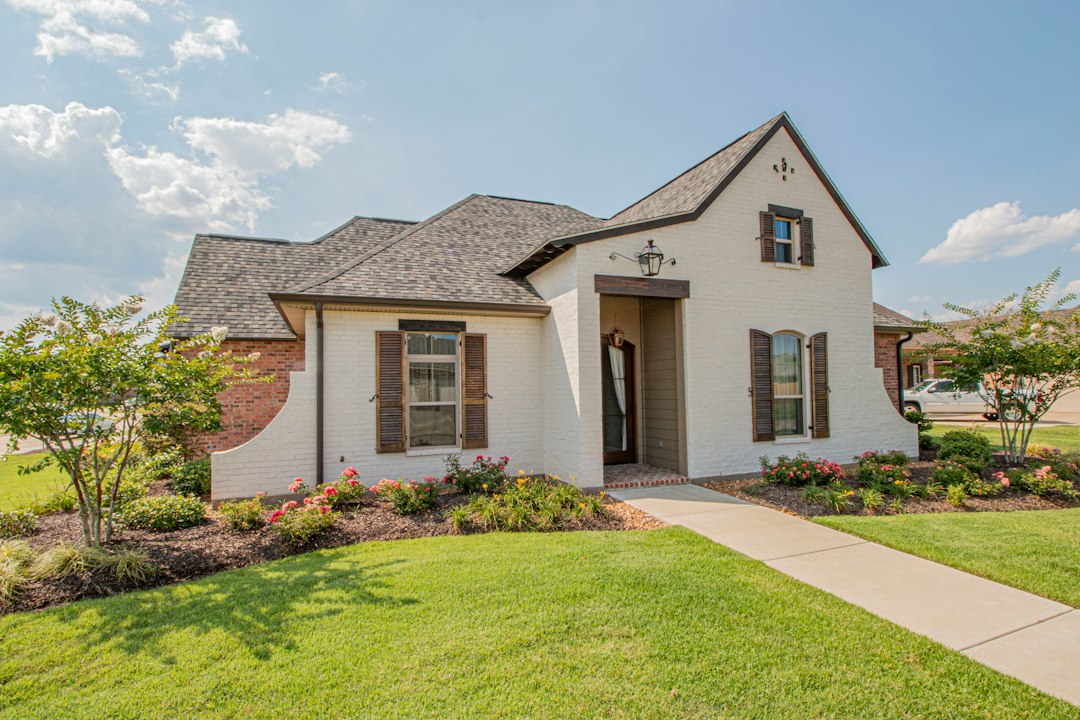
Phoenix-area active listings climbed above 20,000 for the first time in nearly four years as of recent market data. That number doesn’t sound dramatic on its own, but for anyone who bought a home here between 2019 and 2022 expecting to sell into a feeding frenzy, it should get your attention. The choice market has arrived. Buyers now have enough inventory to walk away from a deal — and they’re using that power.
What a “Choice Market” Actually Means on the Ground
Real estate people love categories: seller’s market, buyer’s market, balanced market. The term “choice market” is less common, but it describes something specific and useful. It’s the inflection point where inventory has risen enough that buyers have genuine alternatives, but prices haven’t crashed. Sellers are still getting offers — they’re just getting fewer of them, and those offers come with more conditions attached.
In Chandler and Gilbert, I’ve watched days on market stretch from under 20 days to 45-plus for homes that aren’t priced precisely right. A year ago, sellers in those zip codes could push the asking price $15,000–$20,000 over recent comps and still close without drama. Today, that same approach often results in a price reduction two to three weeks in, which is the worst outcome — it signals to buyers that the home has been sitting, and suddenly everyone wants to know what’s wrong with it.
The Numbers Behind the Pressure
Here’s what the data shows, as of recent market reports:
- Active inventory in the Phoenix metro is up roughly 30–35% year over year
- Median days on market for single-family resales has risen to the mid-40s across much of Maricopa County, compared to the low-20s in the same period two years ago
- Price reductions are appearing on approximately 40% of active listings — near the highest share since 2019
- Median sale-to-list price ratio has slipped from the 100–102% range at peak demand to closer to 97–98%
That last number is deceptively important. A 97% sale-to-list ratio sounds fine until you realize that sellers who priced aggressively up front are absorbing the gap through reductions — not through competitive offers above ask.
The housing market’s inventory rebound is shifting power to buyers, but not everywhere — and in Phoenix’s case, that shift is uneven. Homes under $450,000 in Laveen and West Phoenix are still moving with relative speed because there simply isn’t much of that stock. Meanwhile, the $550,000–$750,000 range in suburban communities east of the I-10 is stacking up. Buyers in that bracket have 60 or 70 homes to tour before they have to decide. That changes everything about how negotiations go.
Why Sellers Are Slow to Accept the New Reality
Most sellers anchored their price expectations to 2022 or 2023 comps. It’s human nature. If your neighbor got $680,000 eighteen months ago, you’re going in at $695,000 or you feel like you’re leaving money behind. The problem is that neighbor’s sale happened in a rate environment that no longer exists. Buyers who might have qualified for a $680,000 home at 4.5% are now staring at 6.7–7% rates — and their purchasing power has shrunk considerably.
Price cuts are creeping back up as the summer selling season stalls, and I’m seeing it in real time at the listing table. Sellers don’t want to hear that their competition isn’t just the house around the corner — it’s the builder down the road offering rate buydowns and free upgrades. New construction has been punching hard in markets like Queen Creek, Maricopa, and Surprise, and it’s pulled a real chunk of move-up buyers away from resale inventory.
The Concession Creep
What I call “concession creep” is the clearest sign that seller leverage is gone. Twelve months ago, asking a seller to cover closing costs was a negotiating longshot. Now buyers routinely ask for:
- 2–3% in seller concessions toward closing costs or rate buydowns
- Home warranty coverage (often $600–$900)
- Credit for HVAC service or roof inspections
- Extended inspection periods
- Flexible close dates
And sellers are saying yes. Not always grudgingly — sometimes just because the market tells them they have to.
Where the Exceptions Are
There are still pockets where sellers hold real leverage. Arcadia, the Biltmore corridor, and North Scottsdale’s 85255 zip code continue to see compressed days on market for well-presented homes. Good schools, walkability, and limited land for new builds create a natural floor on demand that doesn’t show up in broader metro averages. If you’re selling in those micro-markets, the rules are different — but you still have to price honestly off real comps, not wishful thinking.
What Smart Sellers Are Doing Right Now
The sellers closing quickly and at strong prices aren’t pricing high and hoping. They’re pricing at or just below the most relevant recent comparable, putting real money into presentation — fresh interior paint, professional staging, quality photography — and hitting the market on a Thursday to catch the weekend traffic surge.
They’re also having a frank conversation with their agent about buyer financing reality. With rates where they are, offering a seller-paid rate buydown can move the needle more than trimming $10,000 off the ask. A 2-1 buydown that temporarily drops the buyer’s rate can lower the monthly payment enough to bring otherwise hesitant buyers to the table.
The Takeaway for Arizona Sellers
If you’re planning to list this fall, get your expectations calibrated before you hit the market — not after you’ve sat for 30 days and been forced into a reduction. Pull the last 90 days of closed comparables in your specific neighborhood, not the metro average. Price with precision. Invest in the presentation. And build in room for reasonable concessions rather than treating every buyer request like an attack.
The choice market isn’t a crash. It’s a correction in who holds the upper hand. Buyers have it right now, and the sellers who accept that early will close faster and cleaner than the ones still fighting the data.