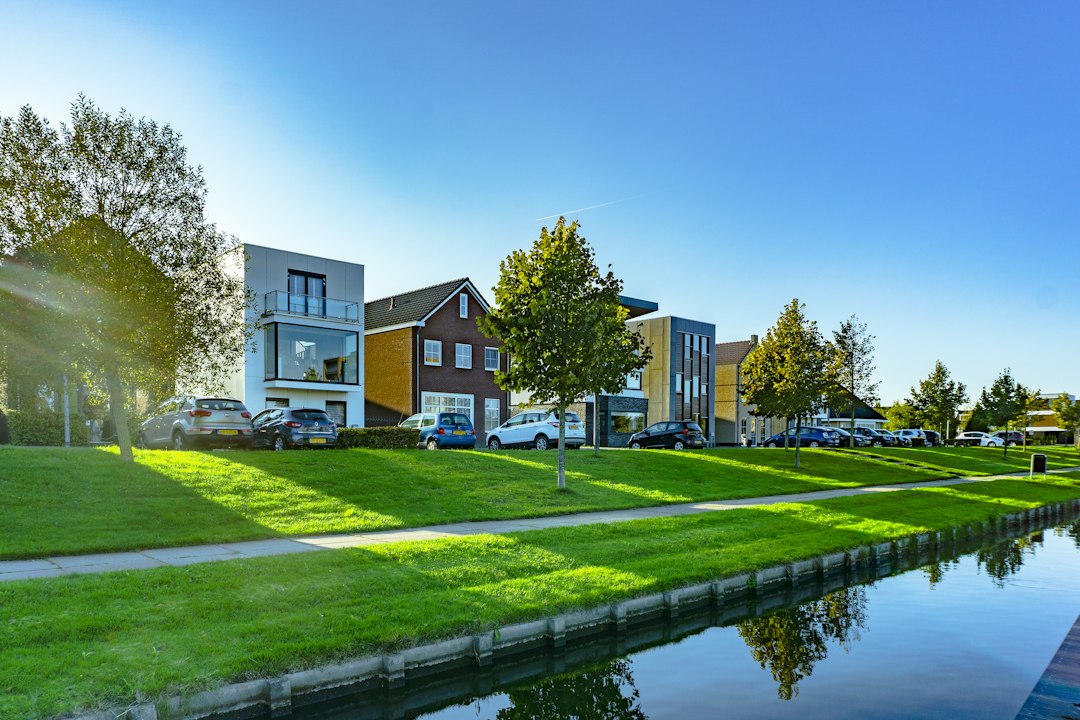
In several major U.S. markets right now, you can walk into a brand-new home — never lived in, builder warranty included — and pay less per square foot than you would for a 20-year-old resale down the street. That’s not a typo. It’s the quiet inversion that’s been building for the past 18 months, and if you’re shopping in the Phoenix metro, it’s absolutely worth your attention.
The conventional wisdom has always been that new construction costs more. You’re paying for fresh everything: new roof, new HVAC, new appliances, no deferred maintenance. Builders build that premium in. But as of recent market data, the national median price for a new single-family home has dipped to roughly $400,000 — while existing home prices have held stubbornly near $410,000 to $420,000. The gap has flipped in a way we haven’t seen in years.
Why This Is Happening Now
Builders blinked first. They had to.
Sitting on elevated inventory with mortgage rates still hovering around 6.7–7%, the big national builders — your D.R. Hortans, your Lennars, your Meritages — started cutting base prices, offering rate buydowns, and stacking incentives to clear spec inventory. Meanwhile, resale sellers have largely refused to budge. Many are locked into 3% mortgages from 2020 and 2021. They’d rather sit than sell at a meaningful discount. That lock-in effect has kept resale prices artificially elevated relative to actual demand.
The result? Builders absorbed the pain that resale sellers wouldn’t. And buyers are starting to notice.
What the Numbers Look Like in Phoenix
Phoenix and the broader West Valley tell the story clearly. In communities like Surprise, Buckeye, and Queen Creek, builders have been offering finished spec homes with $20,000 to $40,000 in closing cost assistance or rate buydowns baked into the deal. When you factor those incentives against a comparable resale, the effective purchase price on a new home can come in 5% to 10% lower — sometimes more.
Look at the numbers from recent transaction data in the Southwest Valley: new construction in the 85338 zip code (Goodyear) has been closing in the low-to-mid $400,000s for 1,800 to 2,100 square feet. Comparable resales in the same corridor — often older homes with dated kitchens and deferred maintenance — are asking similar prices without the incentives.
That’s a meaningful shift. I’ve been watching Phoenix new construction cycles since the early 2000s, and this level of builder concession outside of a full-blown downturn is unusual.
Builders cutting prices as new home supply holds at 8.5 months isn’t a temporary blip — it reflects a structural reality where completed inventory is rising and absorption rates are soft.
The Catch Buyers Need to Know
None of this is free money. A few things to watch:
- Builder incentives are often rate-buydown packages tied to their preferred lender. You may get a 5.5% rate through the builder’s mortgage arm, but you sacrifice negotiating power on the base price. Run the math on both sides before you commit.
- New construction communities in outer suburbs carry higher HOA fees and Mello-Roos-style CFD (Community Facilities District) assessments. A home in Eastmark in Mesa or a new community in Maricopa might carry $150–$300/month in combined fees on top of your mortgage.
- Appreciation dynamics differ. In a new master-planned community where 400 more identical homes are still being built two streets over, your resale value in years one through three may be muted. You’re competing against the builder.
- Quality and lot premiums vary wildly. Not all new construction is created equal. Spec homes that sat unsold for six months sometimes have cut corners on premium lot placement, elevation, or finishes.
That said, for first-time buyers or people relocating to Phoenix from higher-cost markets, the math on new construction right now is genuinely compelling.
Where Arizona Builders Are Most Active
The Arizona Builders Alliance member projects paint a clear picture of where the pipeline is concentrating: the West Valley continues to dominate ground-up activity, with Buckeye and Surprise leading permit counts. The East Valley — specifically Queen Creek and San Tan Valley — is running a close second.
What’s interesting about the current cycle is how aggressively national builders are targeting the under-$450,000 price point. That entry-level bracket had been nearly abandoned during the pandemic building frenzy, when margins were fatter on larger homes. Now, with affordability as the defining constraint, builders have recalibrated. Smaller floor plans, simpler elevations, and competitive base pricing are back.
What Buyers Should Do With This Information
If you’re currently cross-shopping new construction against resale, don’t make the mistake of comparing sticker prices alone. Get the full picture:
- Ask the builder for their current incentive stack in writing
- Calculate the effective net price after all concessions
- Factor in HOA and CFD assessments when underwriting your monthly payment
- Request the builder’s absorption rate for that community — how many homes are selling per month tells you a lot about your future resale liquidity
Don’t ignore resale entirely. A well-located resale in an established neighborhood — Ahwatukee Foothills, Chandler’s Price Road Corridor, or north Scottsdale — often holds value better long-term than a brand-new home on the suburban fringe. Location still wins the appreciation game over time.
But if your priority is monthly payment, getting into a home that needs no immediate work, and locking in an effective purchase price below the resale median, the window that exists right now in Phoenix-area new construction is real. It won’t stay open indefinitely. When rates soften and resale inventory loosens up, builders will pull those incentives fast.
The opportunity is here. The question is whether you’re ready to move on it.