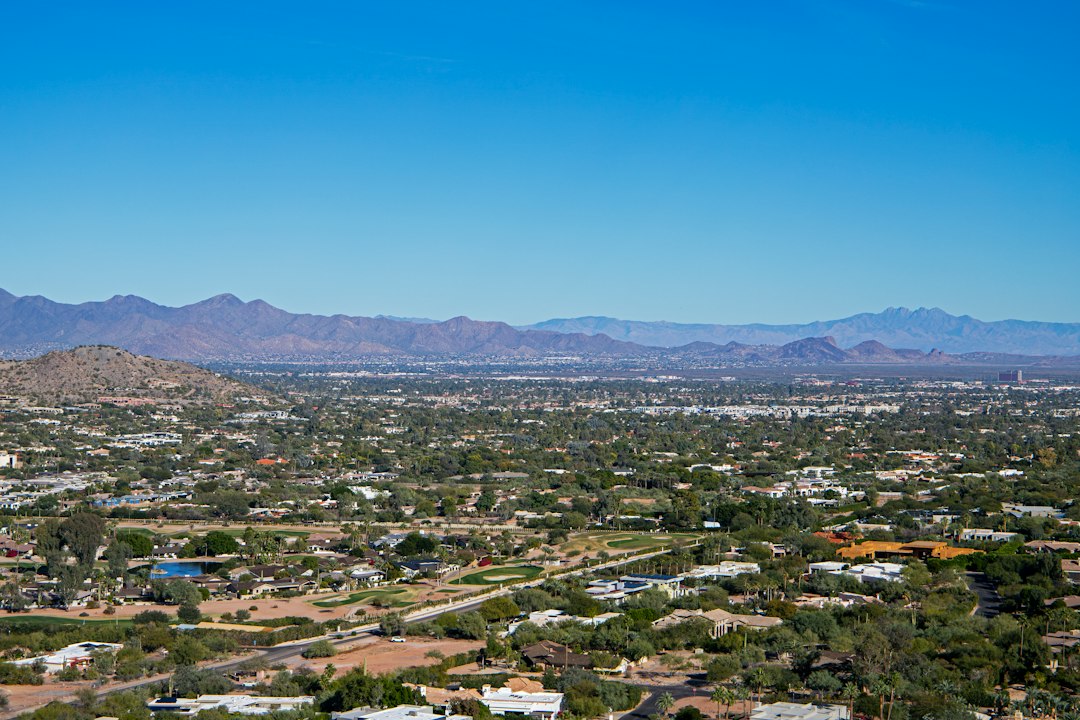
Across a growing number of US rental markets, landlords are no longer calling the shots. Vacancy rates have climbed enough that property owners — particularly those managing large apartment complexes — are opening their wallets to attract tenants. Free first month’s rent. Gift cards at lease signing. Waived application fees and security deposits. These aren’t desperate moves by mom-and-pop operators. They’re showing up on institutional portfolios in metros that were considered landlord gold mines as recently as two years ago.
Phoenix is one of them.
What’s Driving the Surge in Concessions
The root cause is simple: supply outran demand. Between 2021 and 2024, developers broke ground on multifamily units at a pace the market hadn’t seen in decades. Those projects are now delivering all at once, flooding rental inventories in Sun Belt cities that were already starting to see migration plateau.
As of recent market data, metro Phoenix apartment vacancies are running around 10–12% in certain submarkets — notably in areas like Gilbert and the Loop 303 corridor in Goodyear and Surprise, where a wave of new build-to-rent and conventional apartment product all hit the market within the same 18-month window. When you have multiple new properties competing for the same pool of renters, the easiest lever to pull is a concession.
Nationally, the picture is similar. Markets like Austin, Raleigh, and parts of the Atlanta metro are seeing vacancy climb above pre-pandemic norms. Landlords in those cities are offering anywhere from four to eight weeks of free rent on twelve-month leases, which effectively cuts the true annual cost by 7–15% even if the listed rent hasn’t budged.
The Concession Playbook Landlords Are Using Right Now
Here’s what’s actually showing up on lease tables in soft markets:
- Free rent periods — typically one to two months on a 12- or 14-month lease
- Reduced or waived security deposits — particularly common in Class A properties trying to compete with newer competitors
- Move-in gift cards — ranging from $200 to $1,000, especially at lease-up properties that need to fill units fast
- Waived application and admin fees — small dollars, but reduces the friction to choose one property over another
- Flexible lease terms — six-month leases at twelve-month pricing, or month-to-month transitions built into the initial agreement
- Parking and storage included — line items that typically generate extra revenue are being bundled in at no charge
The important thing to understand is that these concessions often don’t show up in headline rent figures. A landlord can report a “flat” average rent while quietly giving away six weeks free. That’s why effective rent — what a tenant actually pays on average over the lease term — is the number worth watching, not asking rent.
What This Means If You’re Renting in Phoenix Right Now
If you’re in the market for an apartment in the Phoenix metro, you have more leverage than you’ve had since before the pandemic. Don’t just accept the first number on the listing. Ask what concessions are available. Ask about move-in specials. If a property has been sitting with available units for more than 30 days, the leasing manager almost certainly has flexibility to offer something — their job is to get units filled.
The West Valley has been particularly active with concessions. New apartment communities along the Loop 303, near Prasada in Surprise, and around the Gateway area of Mesa have all needed to compete harder for tenants than developers initially projected. That’s real negotiating room for renters.
It also matters which class of property you’re targeting. Class A luxury units are where the most aggressive concessions live right now, because that’s where supply growth has been heaviest. If you’re renting in the $1,400–$1,700/month range for a one-bedroom, you may find less room to negotiate — that workforce housing segment stayed tight. Go up to the $2,000+ range and the dynamic shifts in your favor.
The rental demand situation is further complicated by immigration policy shifts, which have softened the renter pool in some submarkets at exactly the moment new supply is arriving.
The Investor Angle: Underwriting Needs to Catch Up
For landlords and investors, the concession environment has direct consequences for how you underwrite any deal right now.
If you’re looking at an existing apartment building or a build-to-rent community anywhere in the Phoenix metro, the rent roll is only half the story. You need to understand effective rent — not asking rent — and factor in a realistic concession budget for the next 12 to 24 months until supply normalizes. Assuming zero concessions when comparable properties in the same submarket are offering six weeks free is a fast way to end up underwater on your pro forma.
New build-to-rent product like Avilla Foothills in Surprise is part of this larger wave of rental inventory that’s pressuring operators across the Valley to compete. Operators who bought or built assuming 2022-era occupancy rates and zero concessions are getting squeezed hardest.
DSCR lenders are starting to price this in too. If your rental income projections look too clean given current market conditions, underwriters are pushing back.
How Long Does This Last?
Not forever — but probably not just a quarter or two either. New multifamily construction starts have dropped sharply in Phoenix and other Sun Belt metros in response to higher financing costs and compressed margins. That means the current glut of supply is more of a one-time delivery wave than a permanent new normal. As that backlog gets absorbed — typically over 18 to 36 months — the concession environment should ease.
The Phoenix metro has absorbed supply shocks before. When demand fundamentals are solid — and the long-term employment and population growth story here still points upward — markets do rebalance. The question is timing.
For renters, act now. For investors, stress-test your numbers against a soft rent environment for the next two years before you commit.
If you’re unsure how today’s financing landscape fits into all this, it’s worth reviewing how affordability is shifting even as prices stay elevated — because the buy-vs-rent calculation is changing faster than most people realize.
The concession window is open. Whether you’re a renter or an investor, understand the market clearly before making your move.