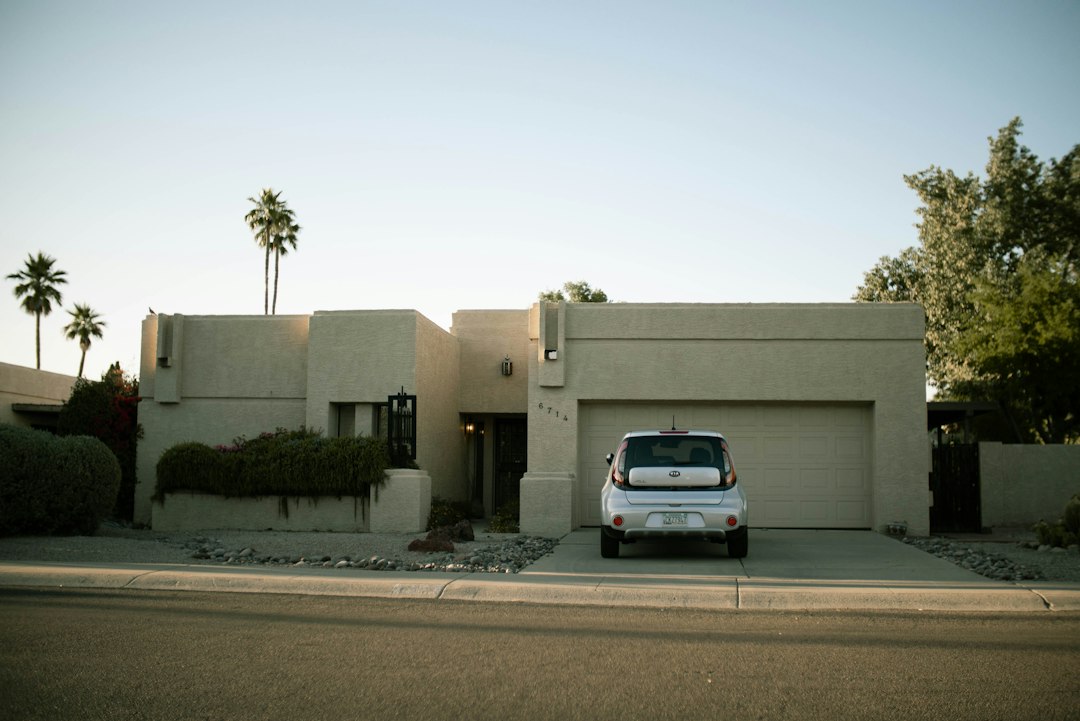
Median down payments in the US just hit their highest level on record. The typical homebuyer is now putting down roughly $67,500 — about 18.6% of the purchase price, according to recent market data. That’s not a rounding error. That’s a fundamental shift in how Americans are buying homes, and it’s showing up clearly in markets like the Phoenix metro.
The reason isn’t complicated. When a 30-year fixed rate sits stubbornly above 6.5% — and flirts with 7% during rate spikes — every extra dollar you put down at closing translates directly into a smaller monthly payment. Buyers who can swing it are using cash as armor against the rate environment.
Why Down Payments Keep Climbing
Think of it as a rational response to an irrational market. Rates doubled from pandemic lows in less than two years and haven’t come back down to where most people expected them to be by now. So buyers who have the capital are solving the problem the only way they can control: reducing the loan balance.
Here’s what the math looks like in practice. On a $450,000 Phoenix home:
| Down Payment | Loan Amount | Monthly P&I at 6.75% |
|---|---|---|
| 5% ($22,500) | $427,500 | ~$2,773 |
| 10% ($45,000) | $405,000 | ~$2,628 |
| 20% ($90,000) | $360,000 | ~$2,336 |
| 30% ($135,000) | $315,000 | ~$2,044 |
That’s nearly $730 per month difference between a 5% and 30% down payment. At today’s rates, buyers with liquidity are not leaving that money on the table.
Who Actually Has This Cash?
This is where the story gets complicated. The surge in down payment size isn’t evenly distributed across the buyer pool — it’s concentrated among two groups: repeat buyers who are cashing out equity from a prior home, and older first-timers with substantial savings or family help.
In Phoenix, I’m seeing this play out along very predictable geographic lines. Buyers in Scottsdale’s 85255 zip code, North Chandler, and the high-end pockets of Ahwatukee are frequently coming in at 25–30% down. Contrast that with buyers in the Laveen, Surprise, and Buckeye corridors — where first-time buyers are more common — and you still see a lot of FHA loans with 3.5% down.
The divide matters because it’s reshaping who competes for what. Sellers in higher-priced submarkets are increasingly receiving offers from cash-heavy, equity-rich buyers who are essentially untouchable by rate movements. Meanwhile, first-time buyers in the sub-$400,000 range are getting squeezed from multiple directions: higher rates, higher prices, and now the added psychological pressure of watching other buyers arrive with bigger checks.
Some buyers are exploring alternatives to shrink their payments another way. Adjustable-rate mortgages are gaining traction as another tool to reduce initial monthly costs, though they come with their own risk profile depending on how long you plan to hold the home.
The Equity Machine Driving This
Here’s something worth understanding about how we got here. Homeowners who bought between 2018 and 2022 in the Phoenix area accumulated enormous equity on paper. The median Phoenix home price ran from roughly $250,000 in early 2018 to over $430,000 at the 2022 peak. That $180,000+ gain didn’t evaporate entirely when prices cooled — it just compressed.
Those sellers are now buyers again. They’re rolling significant equity checks into their next purchase, which inflates the average down payment figures nationally and locally. It’s a closed loop that works well for people already inside the system — and makes it harder for those trying to get in.
This dynamic is part of why the Phoenix housing market has stayed in something of a stalemate, with neither side willing to blink dramatically. Sellers know equity-rich buyers are still active. Buyers know inventory is limited enough that holding out doesn’t always work in their favor.
What This Means If You’re Buying in Phoenix Right Now
The down payment surge has real practical implications depending on where you are in the process.
If you’re a first-time buyer:
- Don’t assume you need to match these elevated down payments to be competitive. In the $350,000–$420,000 range, well-qualified FHA and conventional buyers with 5–10% down are still closing deals.
- Look at down payment assistance programs — Arizona has several active ones, and qualifying income limits have been updated to reflect higher home prices.
- Be aggressive about shopping lenders. Rate variation between lenders on the same loan type can exceed 0.5%, which compounds significantly over a 30-year term. Research suggests many buyers don’t do enough comparison shopping before committing, and that mistake is more expensive than ever at current rates.
If you’re a move-up buyer with equity:
- Putting 20–25% down removes PMI and locks in a meaningfully lower payment. At today’s rates, the math on eliminating PMI is better than it’s ever been.
- Don’t over-capitalize, though. Draining your liquid reserves to hit a round number on the down payment can leave you exposed to repair costs, rate changes if you ever need to refi, or job disruption.
If you’re an investor:
- Higher down payment requirements on investment properties (typically 20–25% minimum) are not new. But with rents in Phoenix flattening and financing costs elevated, the cash-on-cash return calculus has shifted. Run the numbers carefully before chasing yield with heavy leverage.
The Bigger Picture
Down payments are a lagging indicator of the market’s inequality problem. When the median down payment hits record highs, it’s a signal that the buyer pool is being filtered by wealth, not just creditworthiness. That’s a structural issue the Phoenix market — like most high-demand metros — hasn’t solved.
What you do with that depends on your position. If you have equity, use it strategically and understand the rate environment before you decide how much to bring to the table. If you’re still building toward your first purchase, don’t be discouraged by headline numbers that reflect a buyer pool that doesn’t look much like you. The deals are still getting done — they just require sharper preparation than they did three years ago.